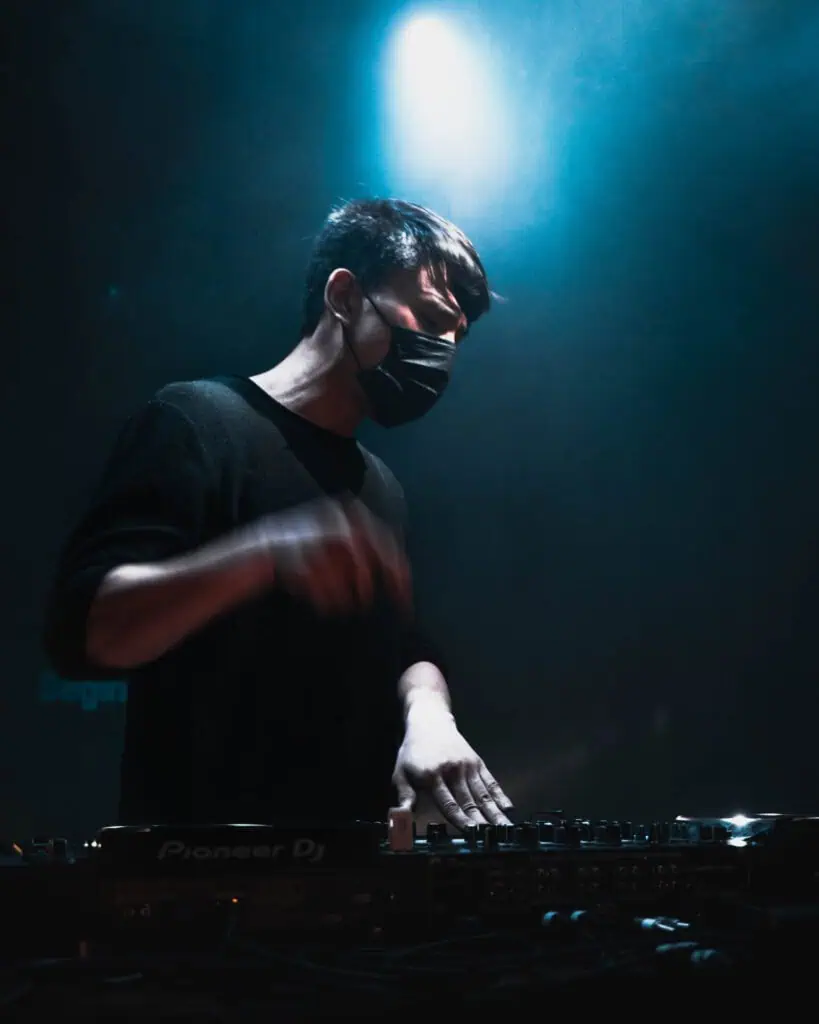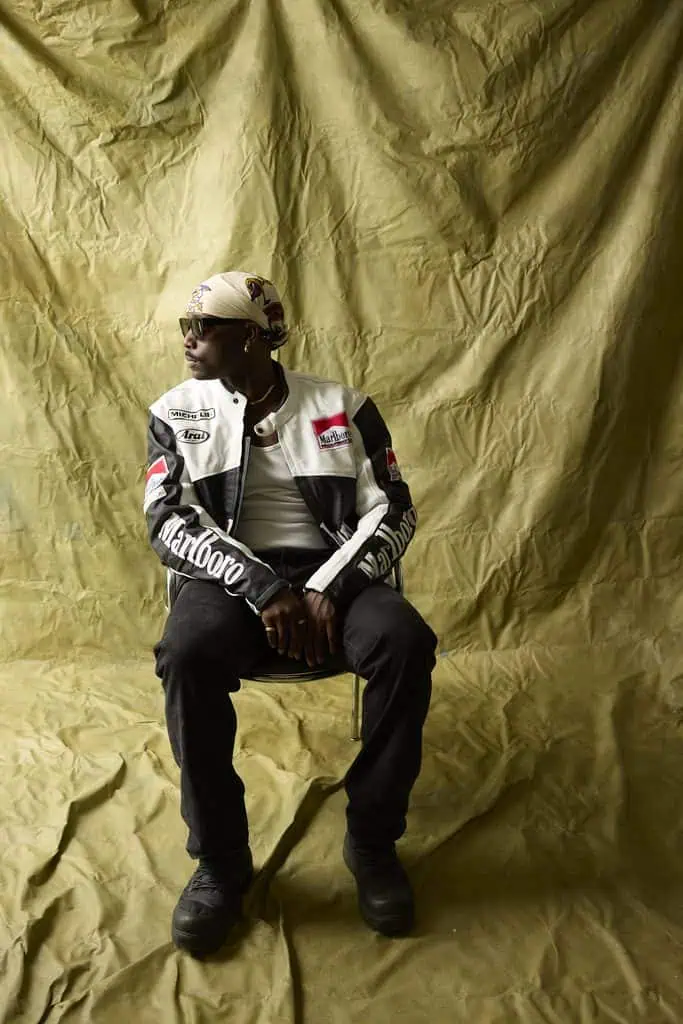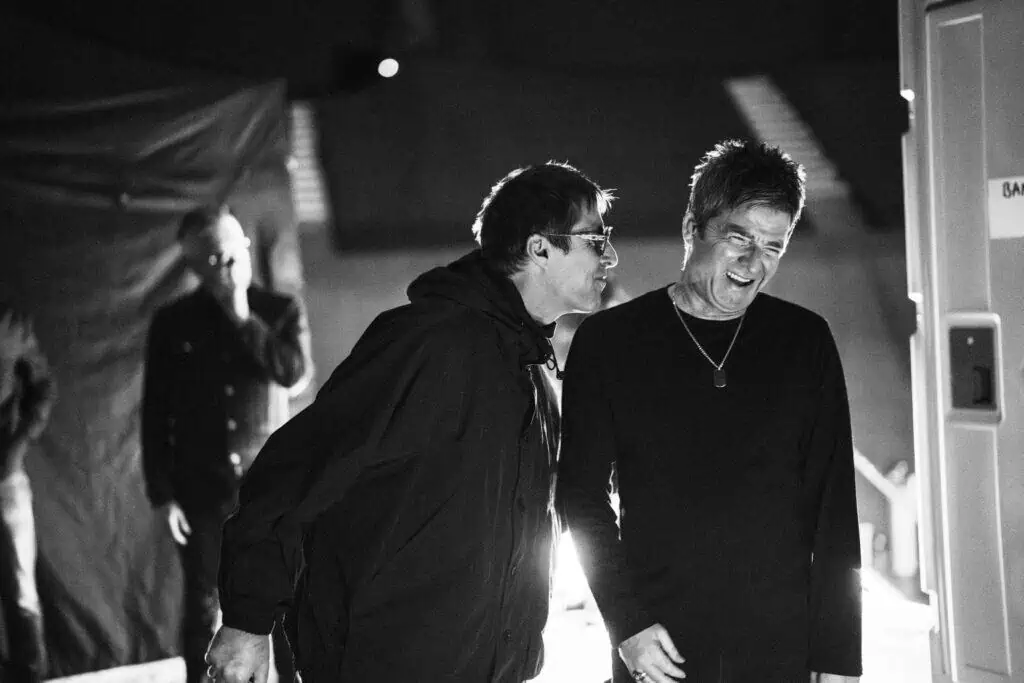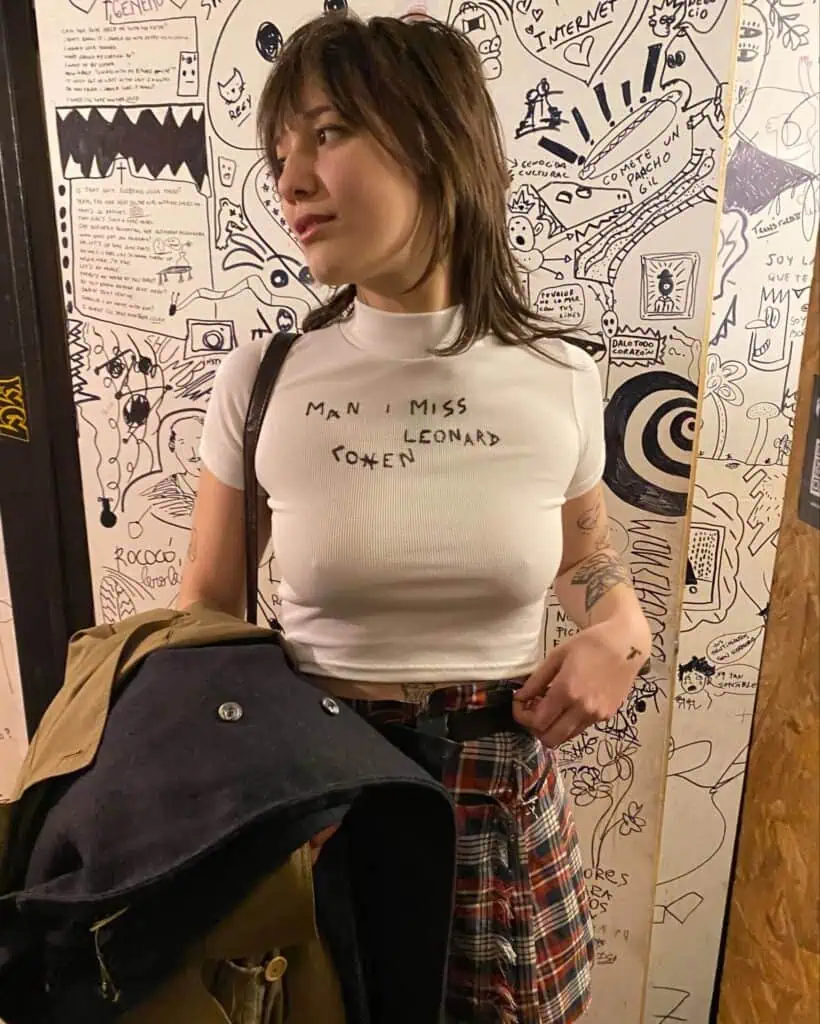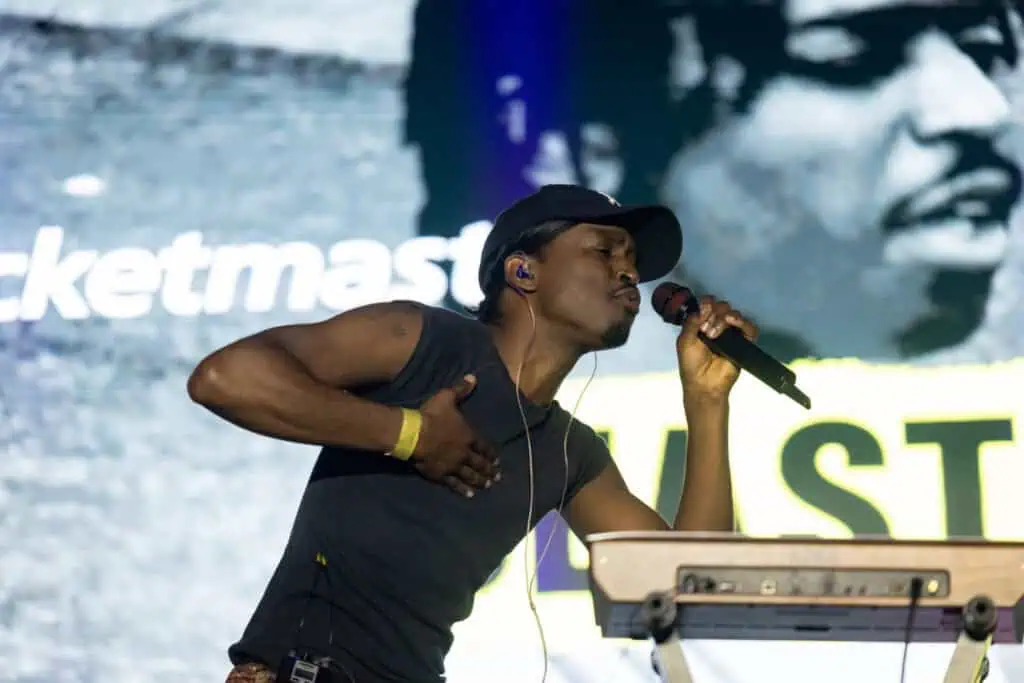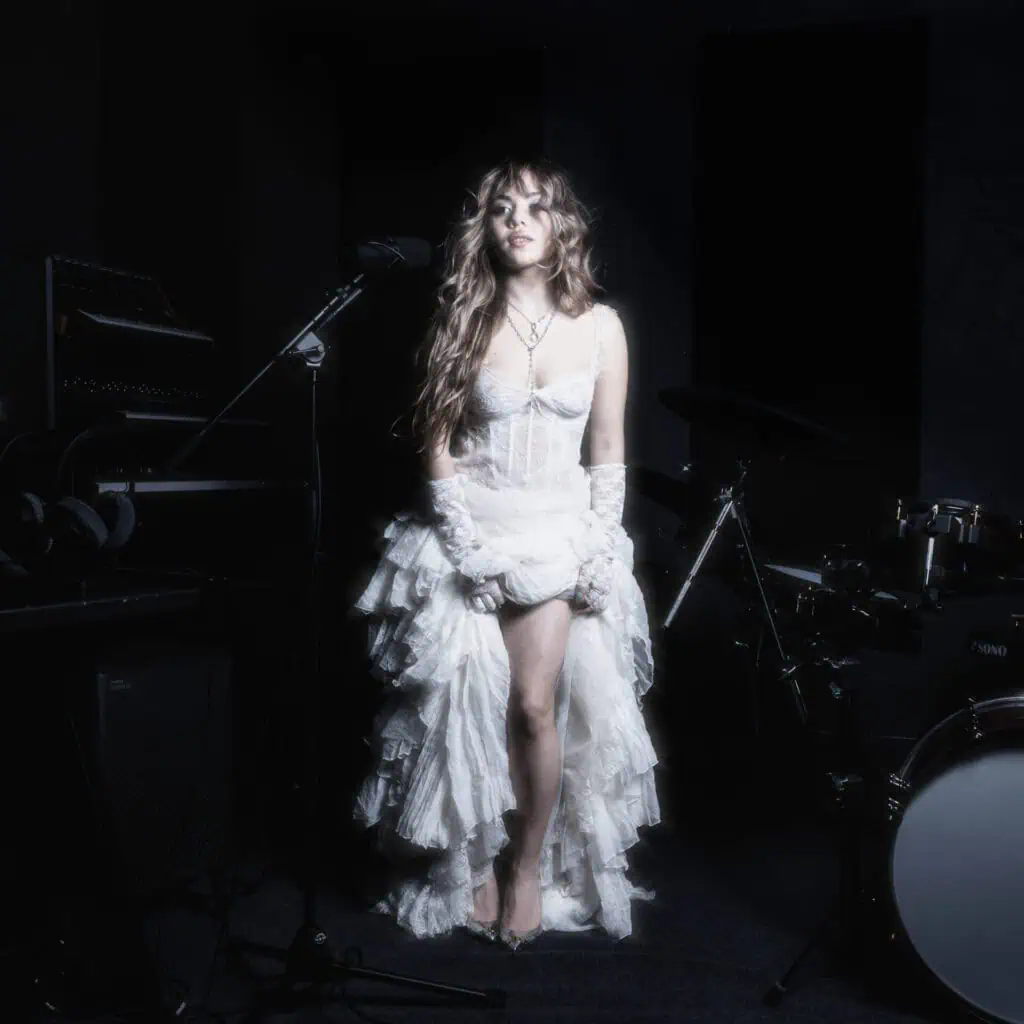
Georgina Cook first heard dubstep in her friend Mala’s car, parked outside Croydon’s Black Sheep bar. It was the early 2000s, and the sound barely existed beyond pirate radio and a handful of dark, bass-heavy rooms. Cook found her way into them anyway, driving across London every Thursday to FWD>> at Plastic People and photographing nights like DMZ in Brixton. Her blog, Drumz of the South, started in 2004 and became one of the earliest visual records of the scene, catching Skream, Mala, Loefah, and Burial before most people knew their names. It later became a crowdfunded photobook, Drumz of the South: The Dubstep Years (2004-2007).
Two decades on, she is back on a dancefloor with her camera. On 17 October, Skream & Benga headlined the first edition of Spotify DIA/LOG, a new live series at Drumsheds in Tottenham, as the genre marks 25 years. Across three rooms and 26 acts, originators like Plastician, Jammer, LTJ Bukem, and D Double E played alongside newer names including Nitepunk, Skalah, and Dangermami. The pair billed it as going “back2thefuture,” and for Cook, who was there for dubstep’s first chapter, the night showed her just how far the scene has travelled.
Back behind the lens at Drumsheds, Cook reflects on brand money, the rise of women and non-binary DJs, and the MCs who did the most for her camera.
Cold Magazine (CM): Your photos are part of dubstep’s early visual history. Compared with what you captured 20-odd years ago, what’s evolved and what’s stayed the same?
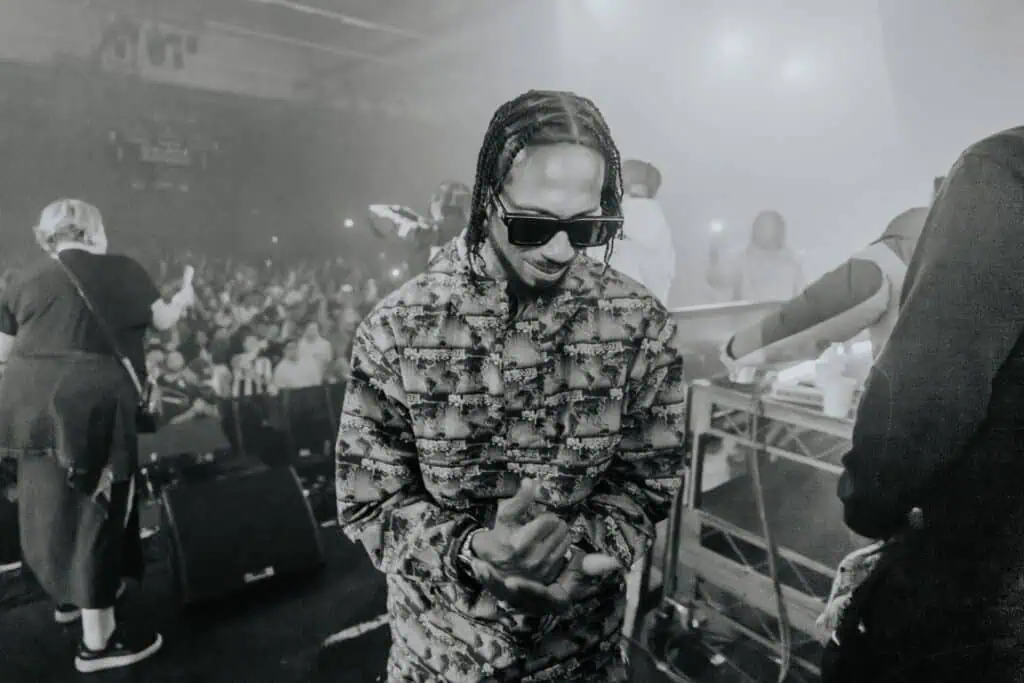
Georgina Cook (GC): Being at DIA/LOG was really nice, and surreal at the same time. Lots of things have changed or evolved since the early 2000s – for example, the move away from 100% dubplates and vinyl to digital, the need for venues and events to partner with brands to be financially viable, the way style-codes and genres are mixing and meshing together, and the increase in women and non-binary DJs and artists.
The sense of camaraderie and community inherent to dubstep’s early days was still present. But we’re part of something much bigger now and which has the added weight of time and legacy.
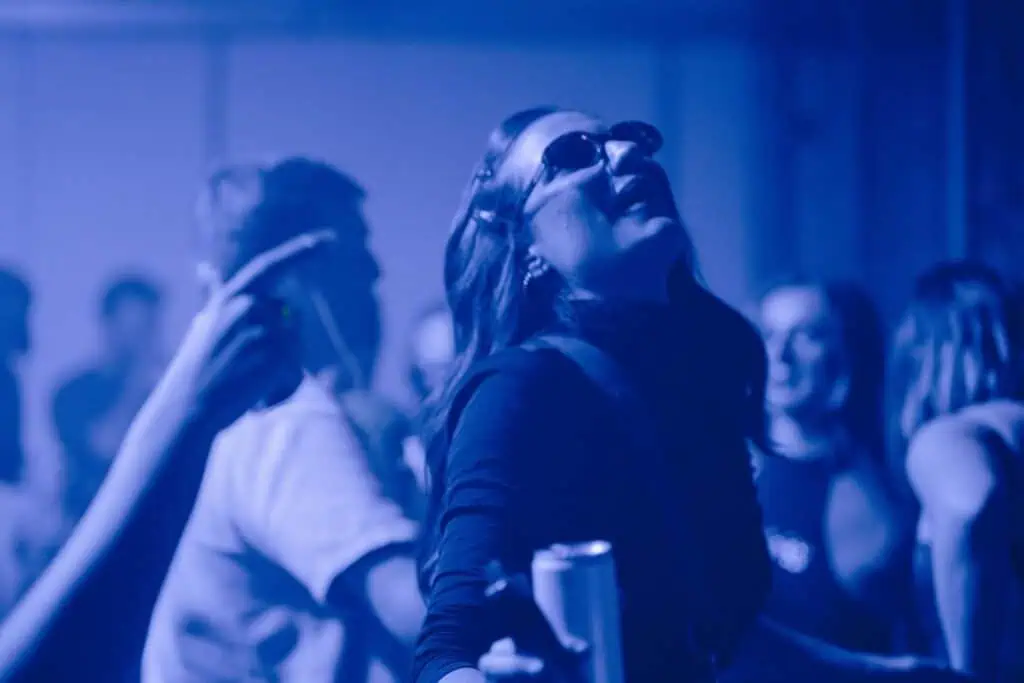
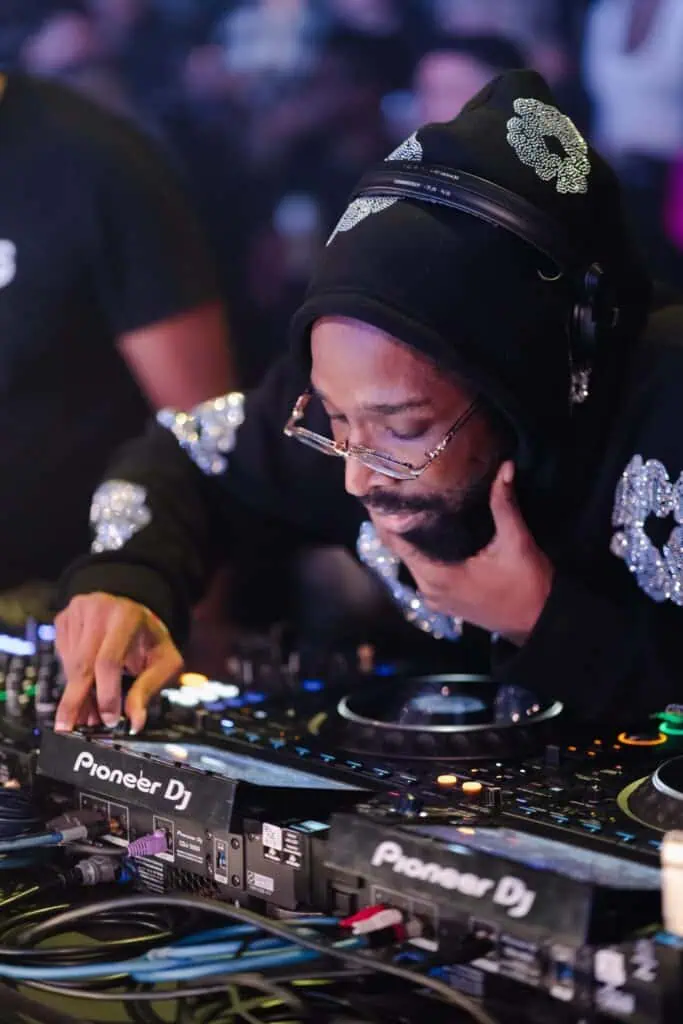
CM: What stood out to you about the crowd at Drumsheds?
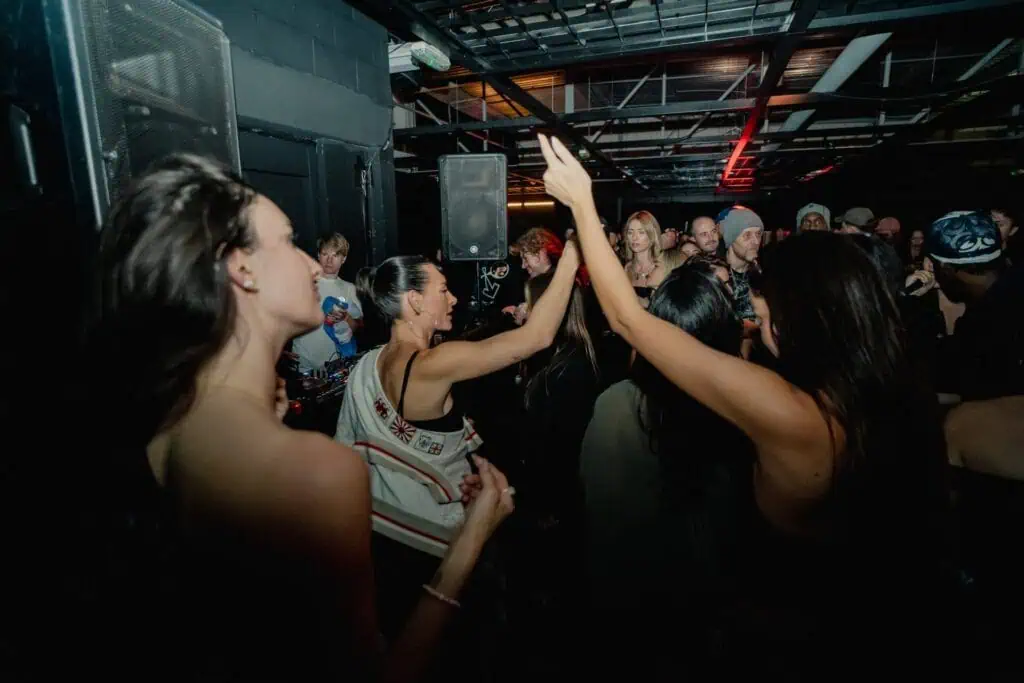
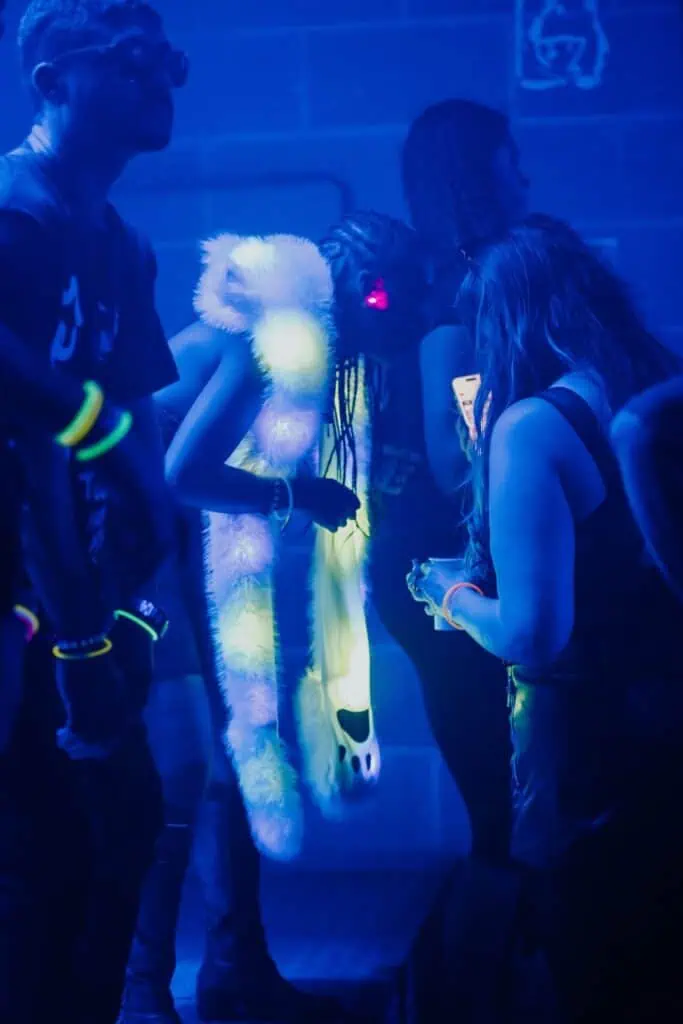
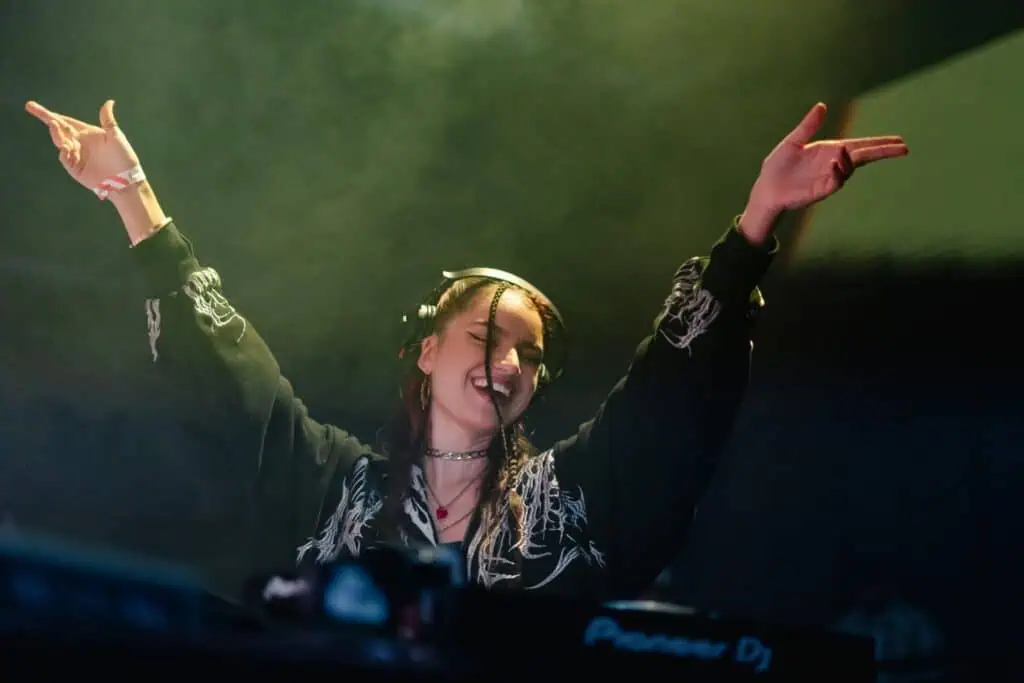
GC: What I’ve been noticing about dubstep and dubstep-related crowds in recent years is that there is much more expressiveness on the dancefloor in terms of the way in which people move. I love seeing people properly wiling out, smiling, and singing! This also happens a lot more behind the decks these days too.
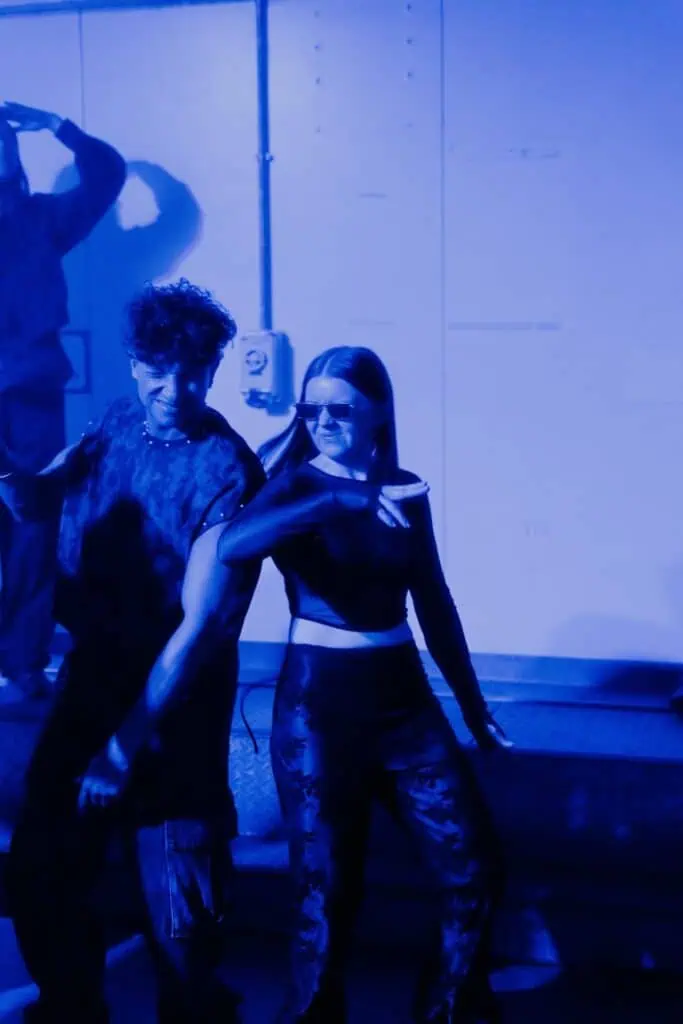
CM: Is there one image from the night that sums it up for you?
GC:I love this image of Holly Douglas (@xnintendhoe) and friends vibing and singing along to SBTRKT’s “Wildflower,” which he dropped during his B2B with MJ Cole. It’s such a beautiful, brilliant song and their reaction was absolutely perfect. I was also mad excited and happy to hear it!
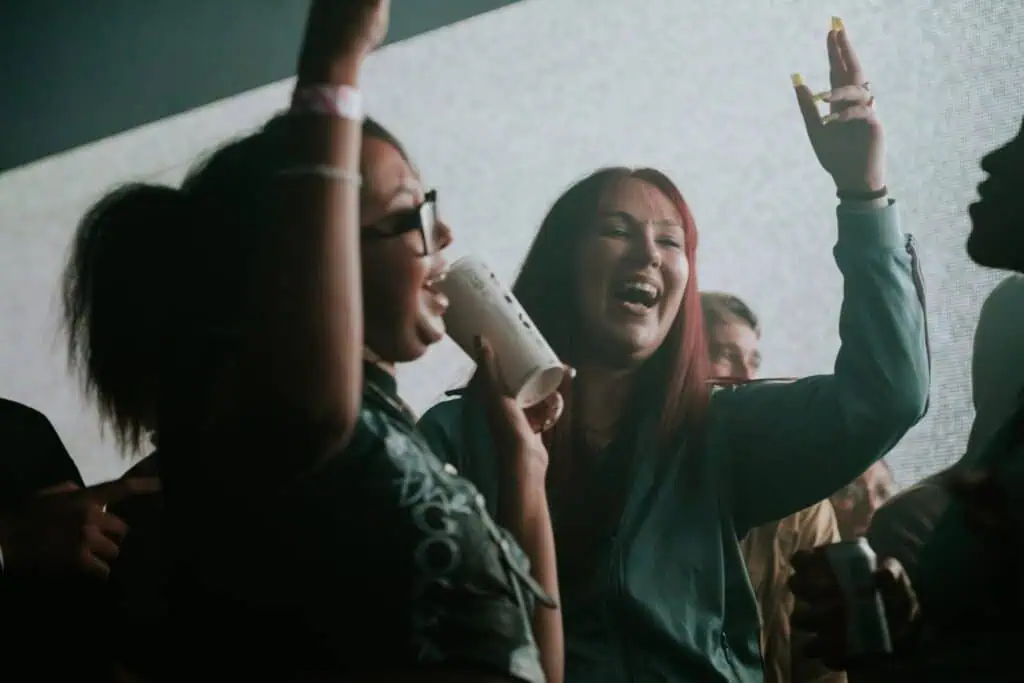
CM: Who on the line-up were you most excited to shoot, and why?
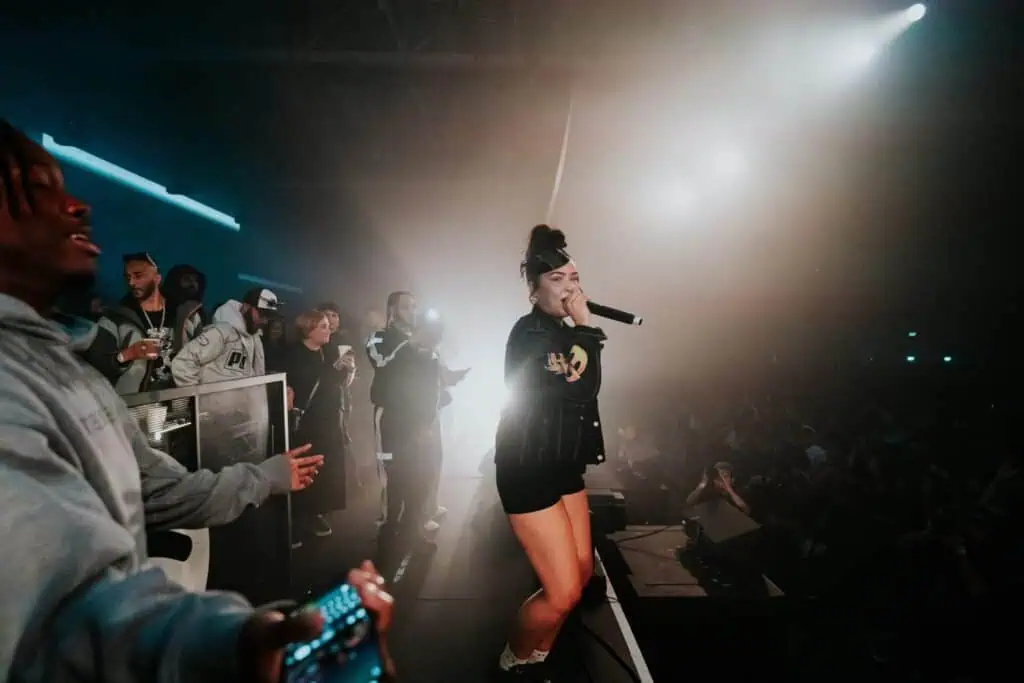
GC: I REALLY wanted to photograph D Double E and I managed to get some great photos of him on stage. He’s such an icon. In fact, all the MCs on the line-up did the most, both in their performances and also for the camera. I love MCs so much.
CM: What does dubstep’s next chapter look like through your lens?
GC: NO IDEA!!! I’ve never had an idea of what’s going to happen next with dubstep and I like that it keeps us on our toes.
The Cold Magazine may earn a commission from some links on this page. Learn more